
Investment
Land or House: Which Suits a First-Time Investor?
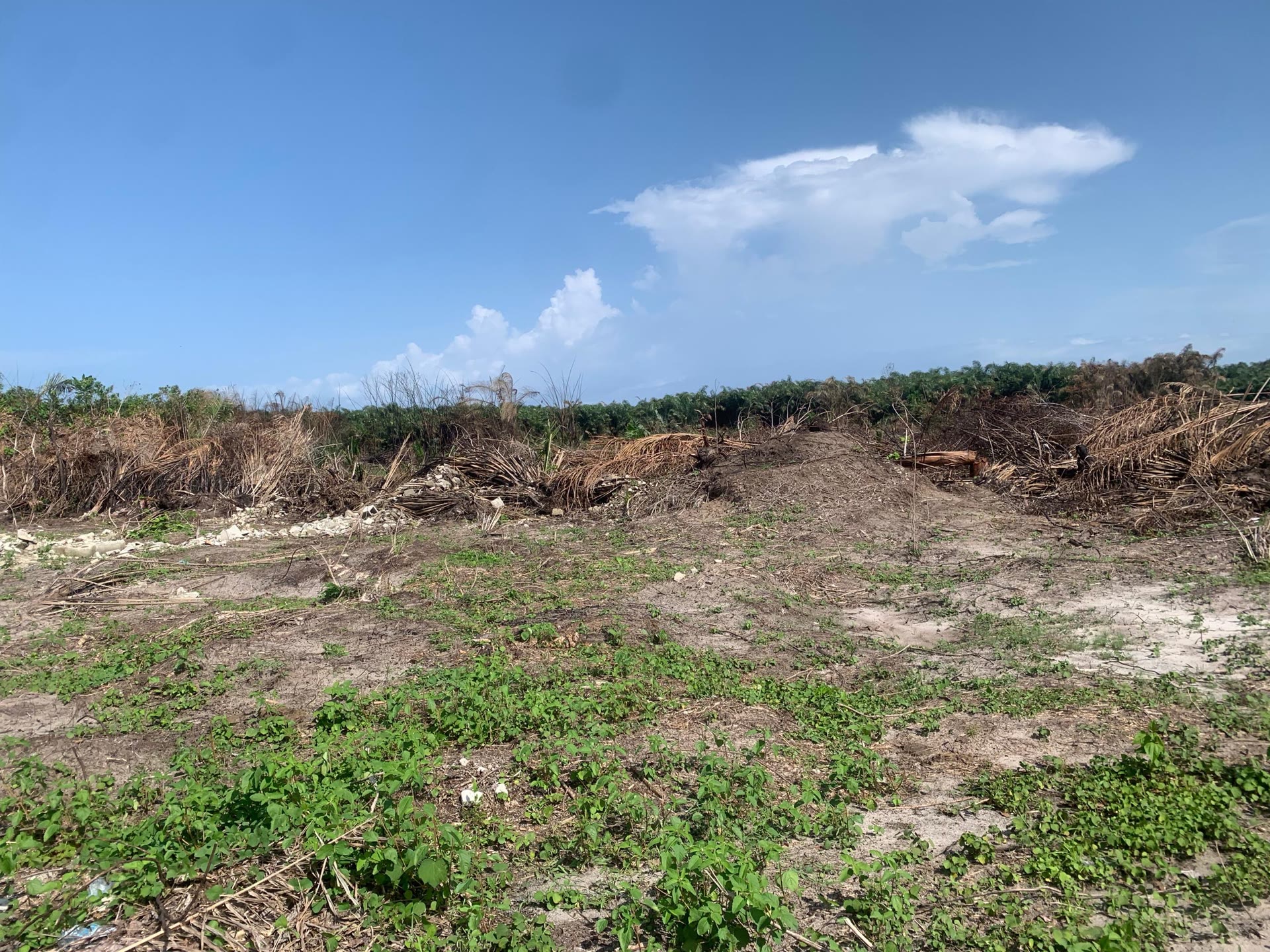
First-time investors usually ask which is the better buy. The better question is which one matches your horizon, your cash flow and how much management you want to take on. They are not competing versions of the same asset.
The case for land
Lower entry cost. A plot on a developing corridor costs a fraction of a finished house in an established area, which puts it within reach of a first purchase.
No maintenance, no tenants. Land does not need a roof repaired, does not sit empty between tenancies and does not call you at night. Holding costs are close to zero.
You choose when to build. Buy the plot now, build when your finances allow, in phases if necessary.
The trade-off: land pays you nothing while you hold it. Your entire return depends on appreciation, and appreciation depends on the area developing as expected. If it does not, your capital sits idle.
The case for a house
It pays monthly. Rental income starts immediately and can service the debt you used to buy it.
Two sources of return. Rental yield plus capital appreciation, rather than appreciation alone.
Easier to finance. A completed property with a perfected title is far more acceptable as security than a bare plot.
The trade-off: a much higher entry price, plus maintenance, service charges, agency fees, void periods and tenants. It is a business, not a passive holding.
A straight comparison
| Land | House | |
|---|---|---|
| Entry cost | Lower | Higher |
| Monthly income | None | Rental |
| Maintenance | Minimal | Ongoing |
| Management | None | Active |
| Return comes from | Appreciation | Yield and appreciation |
| Time to first return | Years | Immediate |
| Liquidity | Slower | Moderate |
How to decide
Land suits you if you have a horizon of several years, do not need income from the asset, want the lowest possible entry into the market, and intend to build later.
A house suits you if you need cash flow now, can absorb the higher entry cost, and are willing to manage a property or pay someone to.
A common route is to do both in sequence: buy land early on a developing corridor, hold it while it appreciates, then build on it or sell it to fund an income-producing property. That converts a patient, low-cost holding into a yielding one without needing the full capital at the start.
The rule that applies to both
Whichever you choose, the title decides whether you own it. Verify the document, use your own lawyer and inspect before you pay. An asset you cannot prove you own is not an investment.
Looking at property on this corridor?
We run inspections on our sites every week, and we will hand you the title documents to read on site.